Best 3-Day Itinerary for Visiting Marrakech
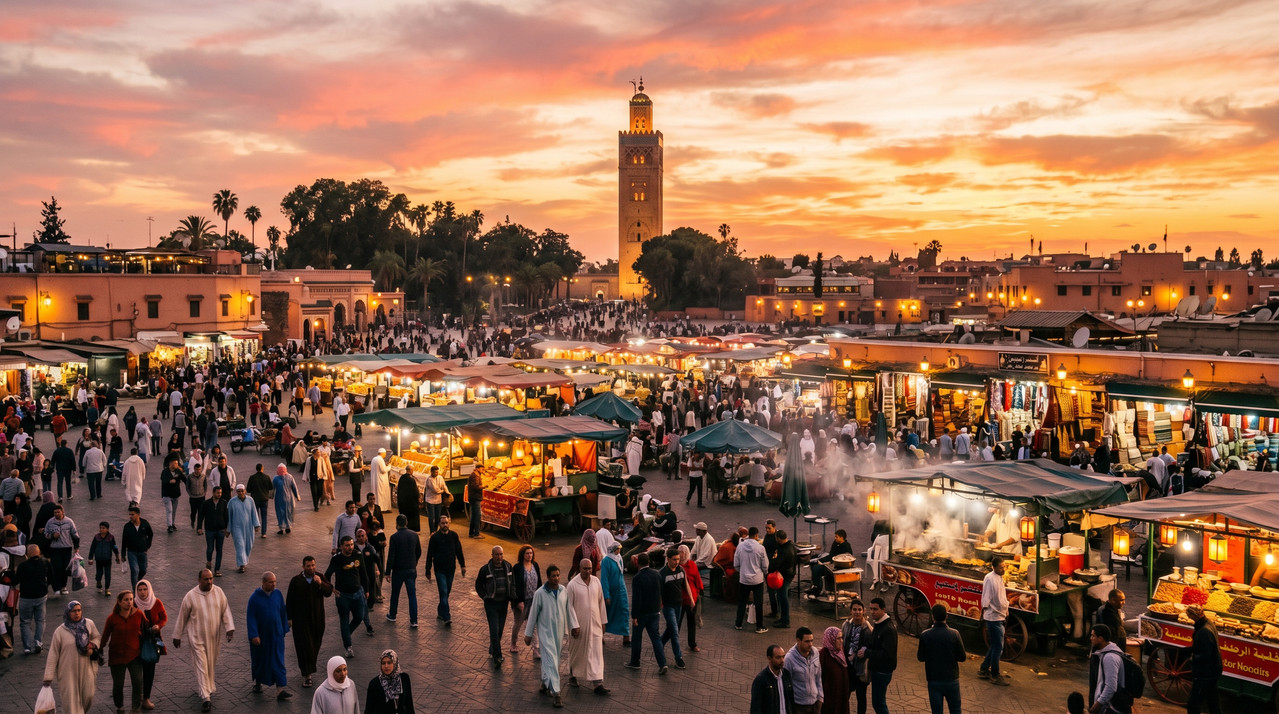
Marrakech does not whisper. It shouts in color, spice, and heat. One moment you are navigating a silent courtyard where jasmine drips from carved cedar arches; the next, a motorbike barrels past your elbow in a lane barely wide enough for two shoulders. This is a city that rewards the prepared and punishes the passive. If you only have three days, you need a plan that squeezes every drop of magic from the Red City without leaving you exhausted, broke, or lost.
This 3 day Marrakech itinerary is built for travelers who want culture without chaos, good food without tourist traps, and memories that last longer than the tan lines. We cover where to sleep, what to eat, how to move, and the exact order to see things so you are not doubling back across the medina in 40-degree heat. Whether this is your first Morocco trip or your fifth, this guide will show you how to do Marrakech right.
Best Time to Visit Marrakech
Timing your trip is half the battle. Marrakech sits at the foot of the Atlas Mountains, which means it gets hot in summer and surprisingly chilly in winter after dark.
March to May and September to November are the sweet spots. Daytime temperatures hover between 22°C and 28°C—warm enough for rooftop breakfasts, cool enough to walk the medina without sweating through your shirt. Spring brings wildflowers to the nearby Ourika Valley, while autumn paints the surrounding palm groves in gold.
June through August is brutal. Temperatures regularly hit 42°C, and the afternoon sun turns Jemaa el-Fnaa into an oven. If you must visit in summer, plan indoor activities between noon and 4 PM and drink more water than you think you need.
December to February is quieter and cheaper. Days are mild, but nights drop to 6°C. Riads rarely have central heating, so pack a warm layer for evenings. The Christmas-New Year period sees a spike in European visitors, so book riads early.
The Ramadan schedule shifts yearly. During the fasting month, many cafes close during daylight hours, and the pace of the city slows. The upside is the evening atmosphere—once the sun sets, the medina erupts in celebration, and the iftar meals are spectacular.
Where to Stay in Marrakech
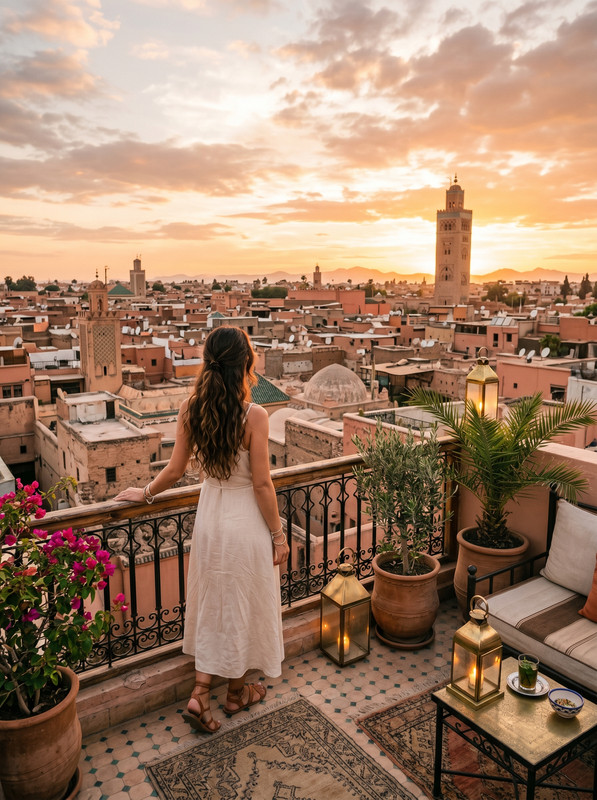
Your accommodation choice defines your Marrakech experience. Stay in the medina and you wake to the call to prayer echoing off ancient walls. Stay in the Ville Nouvelle and you get European-style cafes, wider streets, and less sensory overload. For a first visit, the medina wins.
Riad Yasmine
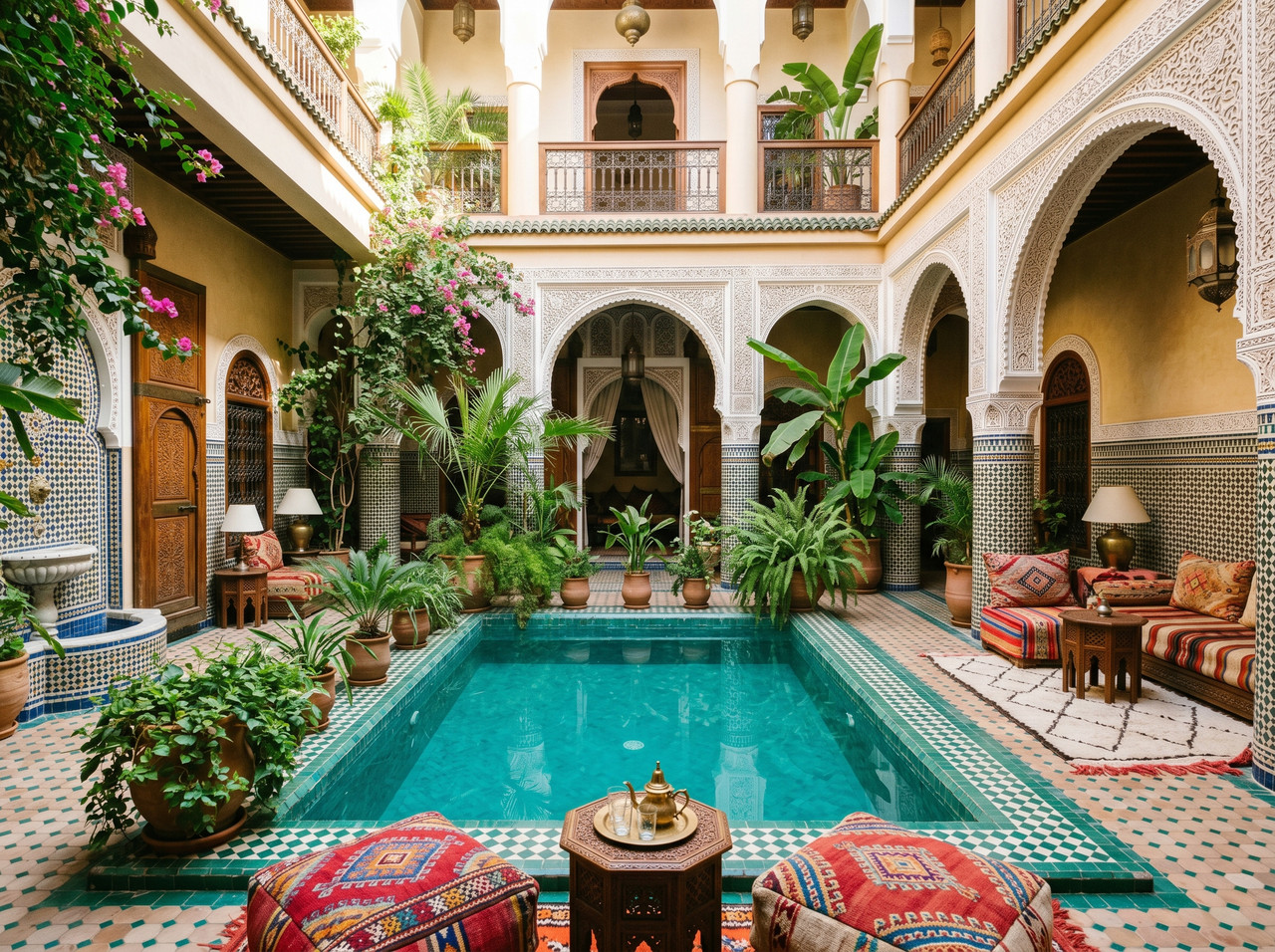
The turquoise pool alone is worth the Instagram fame, but this Mouassine riad backs it up with genuine hospitality. Seven rooms, a rooftop terrace with Atlas views, and breakfasts that could fuel a camel trek. It books out two months in advance for a reason.
Riad BE Marrakech
Five minutes from Jemaa el-Fnaa but feels like a different planet. Hand-plastered terracotta walls, Berber rugs over original zellige floors, and a candlelit courtyard made for mint tea at sunset. Boutique luxury without the five-star price tag.
Riad Jardin Secret
A botanical garden disguised as a hotel. Cacti, bougainvillea, and trickling water fill the courtyard, while each room opens onto greenery. The owners source vintage Moroccan furniture from local artisans, so the place feels curated rather than decorated.
If you prefer modern amenities, the Ville Nouvelle has excellent options near Gueliz. The Radisson Blu and Kech Boutique Hotel offer pools, room service, and air conditioning—rare luxuries in August.
Day 1: The Medina, the Souks, and Jemaa el-Fnaa
Morning: Get Lost in the Souks
Start early. The medina is quietest before 9 AM, when shopkeepers are still setting up and the day-trip crowds have not arrived. Enter through Bab El Khemis and let your feet lead you north through the labyrinth.
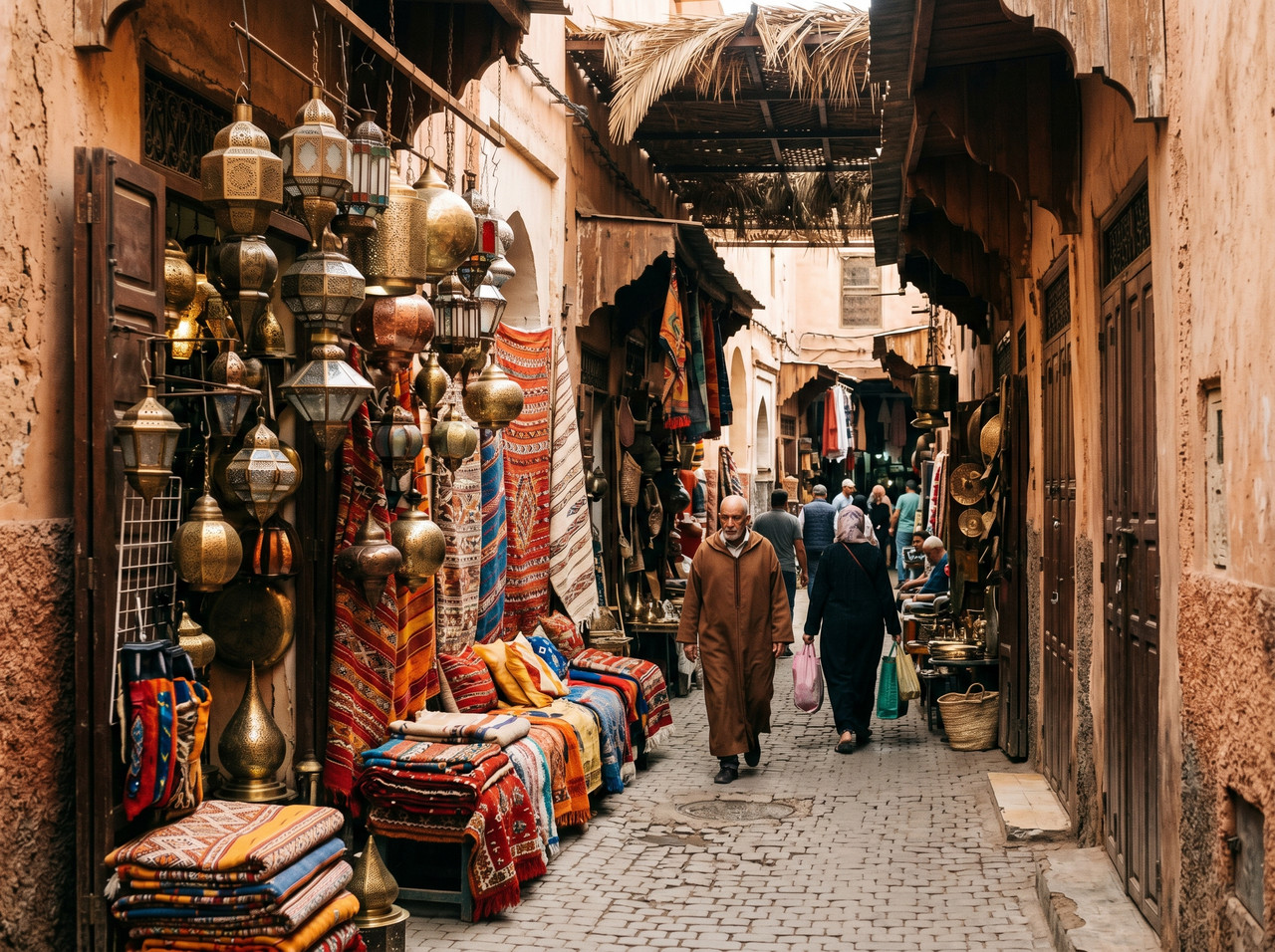
Your first stop is Rahba Kedima, the old spice square. Pyramids of cumin, paprika, and dried rose petals fill woven baskets. A good vendor will let you taste amlou—a mix of argan oil, honey, and almonds that tastes like Morocco distilled into a spoon. Buy spices here instead of near Jemaa el-Fnaa; the quality is better and the prices honest.
From the spice square, wander into the carpet souk. Beni Ourain rugs with their black geometric lines on cream wool are the stars, but do not ignore the flat-woven kilims or the vintage Boucherouite rugs made from recycled textiles. A quality 6x9 foot Beni Ourain costs between $400 and $800. Bargain hard—start at 40% of the asking price and walk away if the vendor does not budge.
Afternoon: Medersa Ben Youssef
After lunch at Cafe Clock (try the camel burger), head to what many consider the finest building in the city. Medersa Ben Youssef is a 14th-century Islamic college, and its courtyard is a masterclass in Moroccan craftsmanship. Cedar wood carvings, stucco arabesques, and zellige tilework cover every surface. After years of renovation, it reopened in 2022 and still flies under most tourists' radar.
Spend an hour here. The student cells upstairs are small and bare, a stark contrast to the ornate courtyard below. It is a reminder that beauty and austerity can coexist.
Evening: Jemaa el-Fnaa
As the sun drops, make your way to Jemaa el-Fnaa. This square transforms every evening from an empty plaza into the greatest open-air theater on earth. Snake charmers, storytellers, dentists extracting teeth on stools, and food stalls pumping smoke into the sky. It is chaotic, overwhelming, and completely unforgettable.
Eat at the food stalls, but be selective. Avoid the ones that grab your arm. Look for stalls with long lines of locals. The mechoui (slow-roasted lamb), harira (tomato and lentil soup), and snail broth are safe bets. A full meal here costs under $5.
Day 2: Palaces, Gardens, and the New City
Morning: Bahia Palace and Le Jardin Secret
Start at Bahia Palace, a 19th-century mansion built by Grand Vizier Si Moussa. The name means "brilliance," and it fits. The palace sprawls across eight hectares, with 150 rooms arranged around courtyards of marble, stucco, and painted cedar. The harem quarters are particularly stunning—sunlight filters through stained-glass windows onto tiled floors in patterns that seem to move.
Arrive before 10 AM to beat the tour buses. The palace has no air conditioning, and midday heat in the enclosed rooms can be suffocating.
Next, walk ten minutes to Le Jardin Secret. While everyone flocks to Majorelle Garden, this restored 19th-century palace garden offers superior tranquility. Islamic geometric water channels divide the space into quadrants, Syrian marble pavilions offer shade, and the scent of orange blossom hangs in the air. It is the medina's best-kept secret, and early morning visits are often yours alone.
Afternoon: Majorelle Garden and Yves Saint Laurent Museum
Take a taxi to Majorelle Garden in the Ville Nouvelle. The electric-blue villa and bamboo groves are iconic for a reason, but the garden is small and crowded. Go between 2 PM and 4 PM when the morning tour groups have left.
The attached Yves Saint Laurent Museum is worth the extra dirham for fashion fans. It houses the designer's personal collection of Moroccan-influenced couture, plus rotating exhibitions that explore the creative dialogue between Paris and Marrakech.
Evening: Gueliz Dinner and Rooftop Drinks
Stay in Gueliz for dinner. Le Jardin serves modern Moroccan cuisine in a courtyard heavy with greenery. NOMAD offers a more contemporary take—think carrot salad with preserved lemon and cumin, or slow-cooked lamb shoulder with figs. The rooftop views are a bonus.
For drinks, Comptoir Darna is a Marrakech institution. Expect belly dancers, loud music, and cocktails that cost twice what they should—but the atmosphere is unmatched. If you prefer quiet, Kosybar overlooks the medina walls and serves wine on a candlelit terrace.
Day 3: Day Trip into the Atlas Mountains
No Marrakech itinerary is complete without leaving the city. The Atlas Mountains rise less than ninety minutes south, and the contrast between medina chaos and mountain silence is staggering.
Morning: Ourika Valley
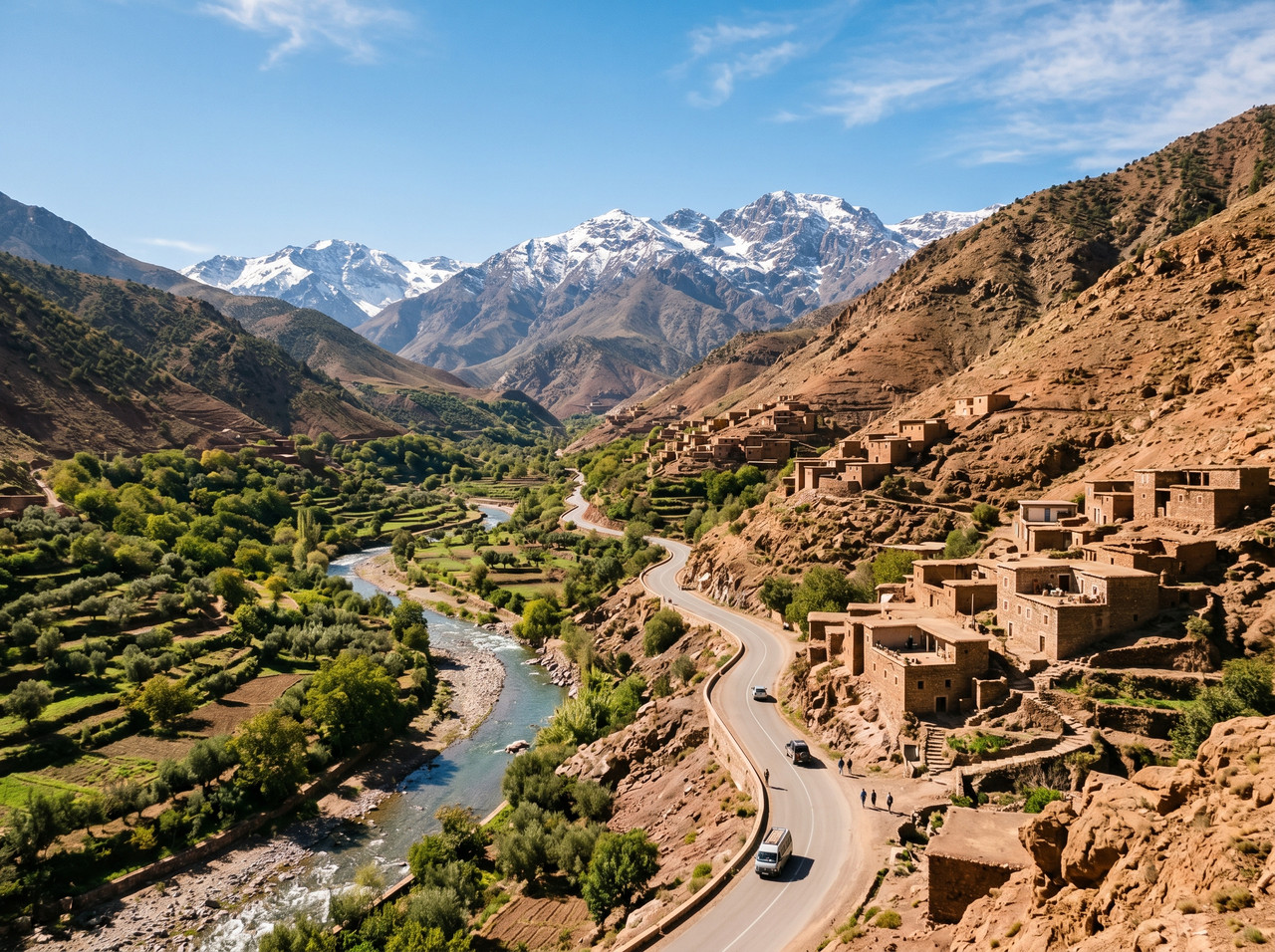
The Ourika Valley is the most accessible escape. A private driver costs around $40 for the day, or you can join a small group tour from your riad. The road winds beside the Ourika River through terraced hillsides where Berber villages cling to the slopes.
Stop at Setti Fatma, the valley's main village. From here, a moderate 45-minute hike leads to a series of seven waterfalls. The trail is rocky and slippery after rain, so wear proper shoes. The reward is a natural pool where you can swim beneath a waterfall while the valley drops away below you.
Lunch at a riverside restaurant in Setti Fatma. Tagine with mountain herbs and fresh bread baked in clay ovens tastes better at altitude. The view of snow-capped peaks in winter does not hurt either.
Afternoon: Berber Village Visit
Many tours include a stop at a traditional Berber home for mint tea and bread. This can feel touristy, but it also supports local families and offers genuine insight into a way of life unchanged for centuries. Bring a small gift—dates, nuts, or school supplies for children are always appreciated.
If you have extra time and a stronger driver, push on to Imlil. This village sits at the trailhead for Mount Toubkal, North Africa's highest peak. Even without summiting, the walk through walnut groves and stone hamlets is worth the extra hour in the car.
Evening: Return to the Medina
Back in Marrakech by early evening, treat yourself to a hammam. A traditional public bath costs around $10 and involves being scrubbed with black soap until your skin feels new. For a more upscale experience, La Mamounia and Royal Mansour offer spa hammams starting at $80. Either way, the combination of mountain air and steam will send you to sleep before your head hits the pillow.
Budget Tips for Marrakech
Marrakech can be done cheaply or lavishly. The spread between the two is wide, and the city rewards smart spending.
Accommodation: A decent riad in the medina costs $40 to $100 per night. Luxe options run $200 to $500. Hostels in the Ville Nouvelle start at $10. The sweet spot is a mid-range riad with breakfast included and a rooftop terrace.
Food: Street food and local cafes feed you for $3 to $8 per meal. Mid-range riad restaurants and Gueliz bistros run $15 to $30. A splurge dinner at a palace restaurant like La Maison Arabe hits $60 to $100 with wine.
Transport: Petit taxis are metered and cheap—rarely more than $3 for a cross-city trip. Always insist on the meter. Careem, Morocco's Uber equivalent, works well in the Ville Nouvelle but less reliably in the medina where cars cannot enter.
Tipping: Round up in taxis. Leave 10% at restaurants. Tip tour guides $5 to $10 for a half-day, depending on quality. In hammams, tip the attendant $2 to $3.
Bargaining: Everything in the souks is negotiable. A good rule is to offer 40% of the asking price and settle around 60%. Walk away if the vendor will not meet your number—often they will call you back.
Local Tips You Will Not Find in Most Guides
Learn five words of Arabic or French. "Shukran" (thank you), "La shukran" (no thank you), and "Bismillah" (a polite opener before eating) go a long way. French is widely spoken, and even mangled attempts earn smiles.
Download Maps.me before you arrive. The medina has no street signs, and Google Maps often mislabels narrow passages. Maps.me works offline and marks riads, landmarks, and routes through the maze.
Carry small bills. Vendors and taxi drivers will claim they have no change to squeeze extra dirhams from you. Keep a pocket of 10, 20, and 50 MAD notes.
Do not photograph people without permission. This is basic respect anywhere, but in the medina, some individuals will demand money after you have taken the shot. Ask first.
The left hand is unclean in Moroccan culture. Eat and hand over money with your right hand. If you are left-handed, simply be mindful.
Friday is the holy day. Many shops close for midday prayers, and the pace slows. Plan museum visits and riad relaxation for Friday afternoons rather than souk shopping.
What to Pack for Marrakech
Modest dress is essential outside riads and hotels. Shoulders and knees should be covered in public spaces, especially for women. Light linen trousers, long skirts, and loose shirts work best in the heat. A scarf is useful for covering hair when visiting mosques or conservative neighborhoods.
Good walking shoes are non-negotiable. The medina is paved with uneven stone, and you will walk five to ten kilometers daily without noticing.
Sunscreen, a wide-brim hat, and reusable water bottles are mandatory. The Moroccan sun is fierce, and plastic bottles pile up fast in a country with limited recycling.
Conclusion
Three days in Marrakech is enough to fall in love with the city but not enough to see everything. That is the point. Morocco rewards return visits, and Marrakech is the kind of place that reveals new secrets every time you walk the same alley.
Use this Marrakech travel itinerary as your foundation, then let the city pull you sideways. Accept the mint tea invitation from a shopkeeper. Say yes to the unexpected rooftop concert. Follow the sound of drums down a lane you did not plan to enter.
Save this post, share it with your travel partner, and start booking your riad. Marrakech is waiting.
🏨 Where to Stay in Marrakech
Later we will add a Booking.com hotel deals section here.
Comments
Post a Comment